The library
Worked examples.
Ideas worth keeping.
Some work asks an open question. Some reaches a useful stopping point: a model, method or example that resolves a particular problem under stated assumptions.
This library is the home for those captured solutions and the earlier work behind them. “Solved” here means a bounded problem has a worked answer; it does not mean project management is solved, or that every older example is ready to deploy today.
The collection is being tidied gradually. These starting points retain their original explanations and limits; they have not all received a new technical review.
Looking for the open enquiries? Explore the projects →Start with a practical question
Three strands of earlier work.
Each will gain a clearer identity as its examples, assumptions and useful contributions are reviewed.
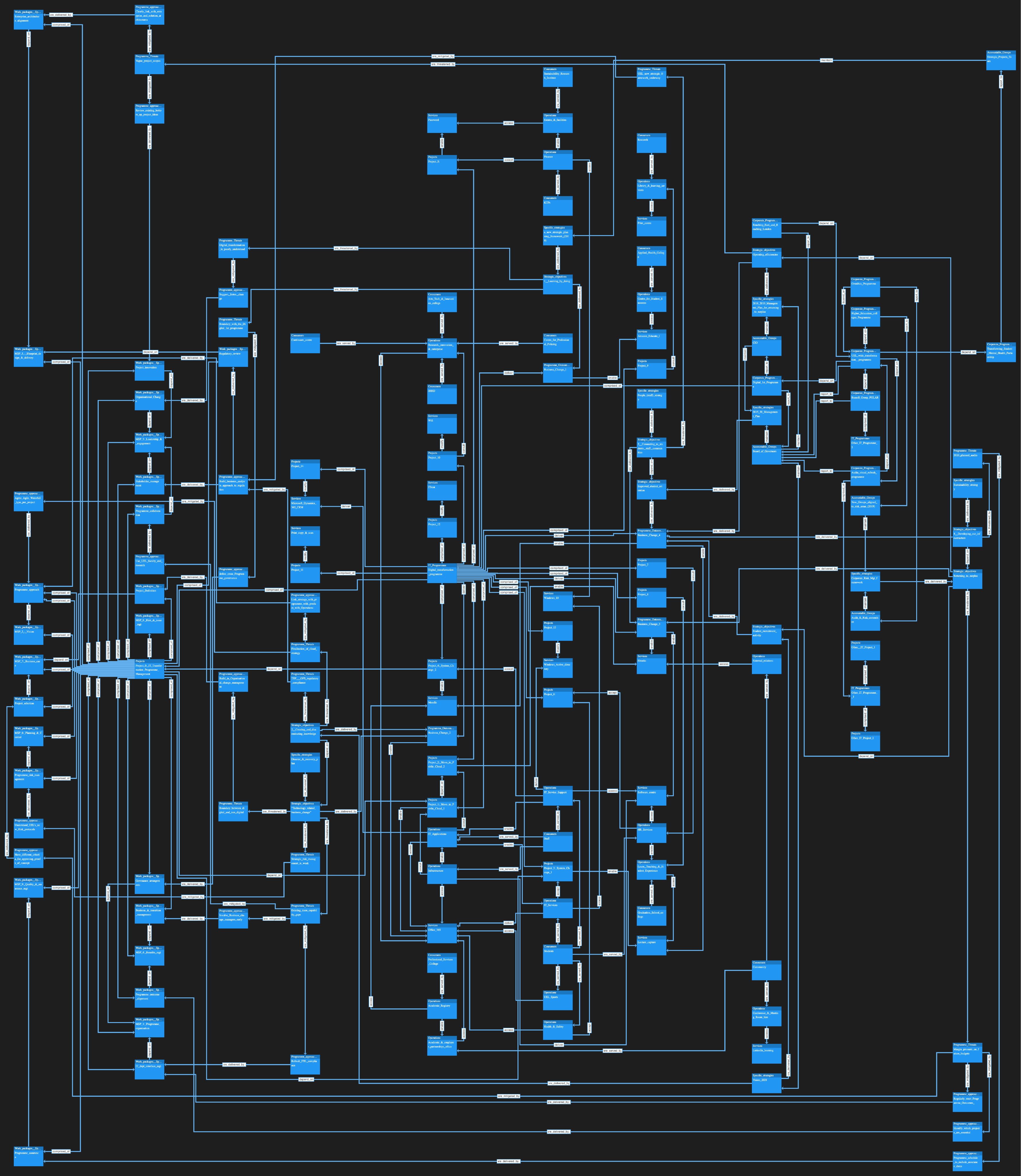
Modelling example Projects, programmes & portfolios
How should the work fit into a shared picture?
Earlier graph models explore how projects, outcomes and dependencies can be represented together, with different views for different readers.

Earlier method Portfolio management
Which working practices does this portfolio need?
A guide to choosing and adapting frameworks. The linked public code repository now retains a navigational skeleton, rather than the former full toolkit.

Earlier exploration Information & methods
Which method fits the question and the available data?
Earlier thinking on matching machine-learning approaches to project information needs. Read it as a record of methods and possibilities, with technology and performance claims to recheck.
From collection to named example
Keep what each example teaches.
Over time, individual apps will move out of the generic collections into homes that explain their purpose. Some belong with an ongoing enquiry. Others deserve a name of their own as worked examples, with a clear problem, inputs, result, assumptions and the version at which the work was captured.
Those are different roles, rather than a ladder every experiment must climb. A retained earlier attempt can still explain something its successor leaves out.